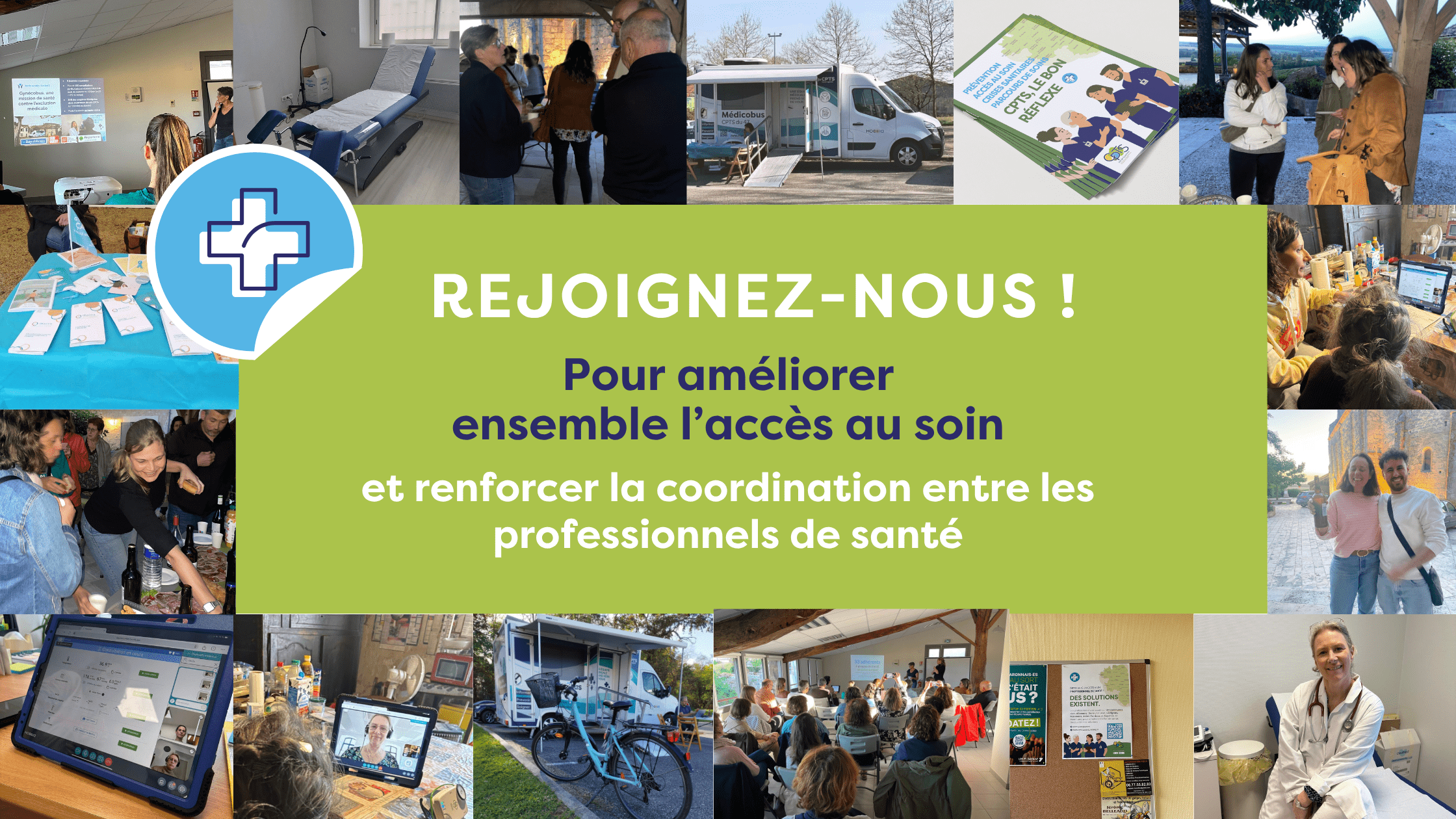
The CPTS Val de Guyenne is opening its membership campaign for the year 2026.
Therefore, we invite all healthcare professionals in the area, whether already members or not, salaried or self-employed, to https://cpts-valdeguyenne.plexus-sante.fr/publique/campagne/2cptsjoin
If you're not yet a member, you might be wondering why you should join? We'll explain everything!
1) First, let's distinguish between the different membership statuses
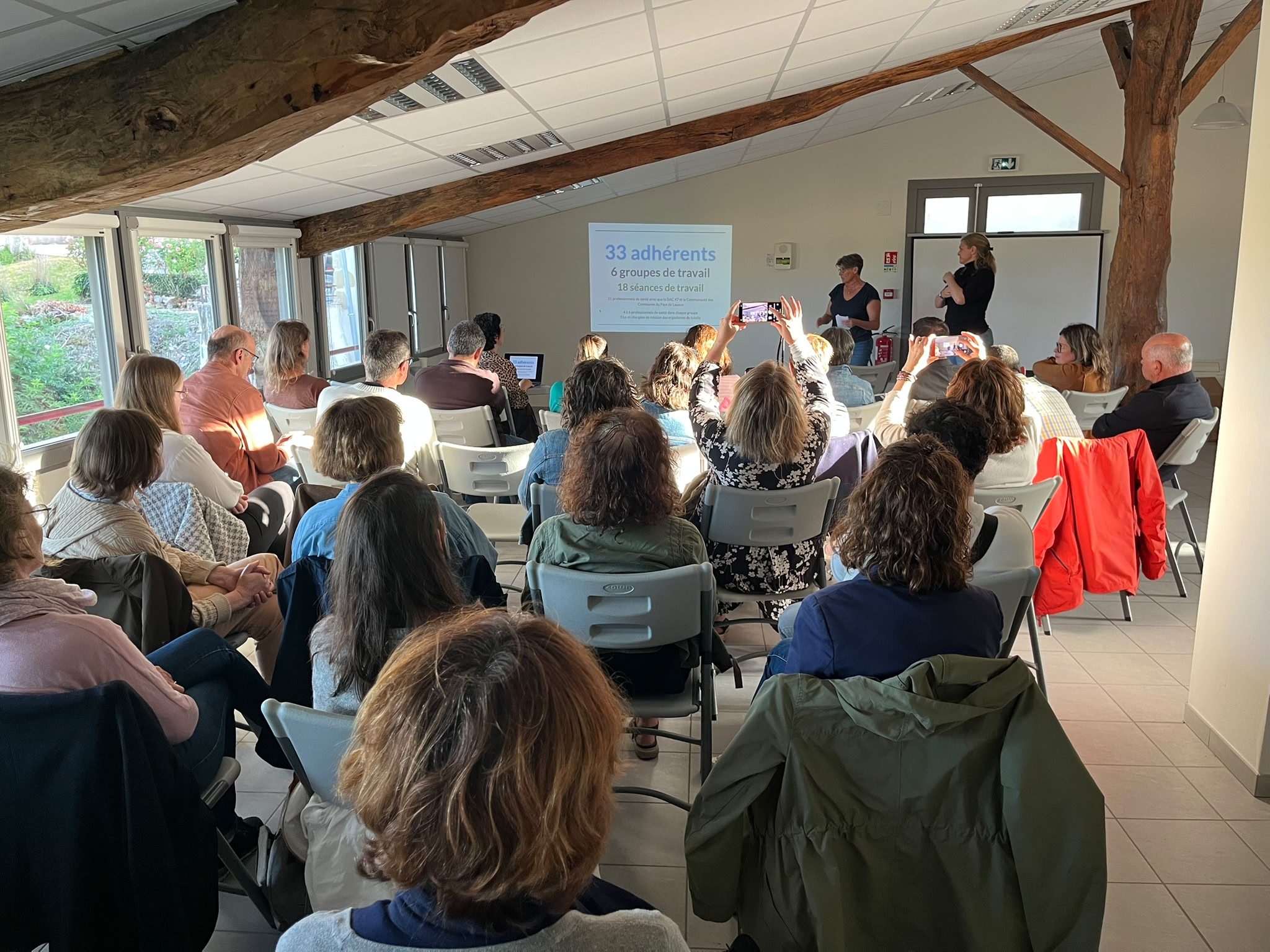
By joining the CPTS, whether you are a self-employed healthcare professional, an employee or a medical-social structure, you can (if you wish) actively participate in our working groups and our actions in the field.
Depending on your membership status, you will be able to vote on the decisions and directions of the association or have an advisory vote.
- Active members : self-employed healthcare professionals in the area (active or retired), participate in the working groups and activities of the CPTS), benefit from ICPA (Integrated Care Pathway), vote on the association's decisions, and are eligible to stand for election to the Board of Directors and/or the Executive Committee
- Partner Member – Individual : Healthcare professionals employed by a local medical-social structure or a partner structure, have only an advisory vote, but may join working groups
- Partner Member – Legal Entity : a medical-social structure within the territory or a partner structure, has only an advisory vote, but may join working groups
2) The 5 reasons to become an active member (self-employed healthcare professionals)
The CPTS health project is the result of an in-depth diagnosis of the territory and is oriented, among other things, towards the development of new practices (coordinated practice, technological innovations).
IMPORTANT: Participation in actions and working groups is subject to compensation (ICPA).
You will also have the opportunity to join our mailing list and our Whatsapp group for professionals and to have a professional listing in our online directory
3) Join our working groups
A working group comprises approximately 5 active members, often guests (partners and/or supervisory bodies and/or elected officials).
Depending on the missions, the working groups are intended to define together the actions on the ground (access to care, prevention) or co-write the protocols for support or coordination of pathways (link between city and hospital, etc.).
Each working group has a lead member and the actions are defined in Action Sheets.
Mission 1 – Access to healthcare
Working group “New practices”:
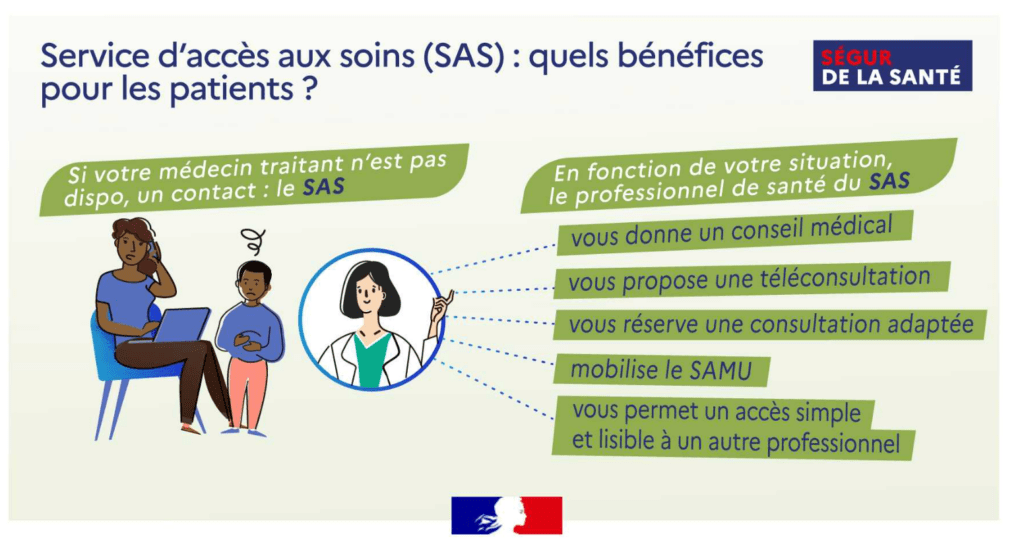
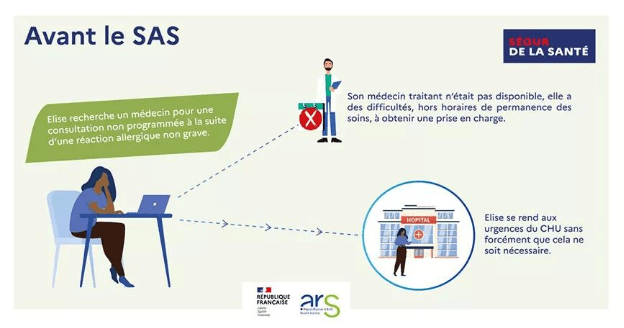
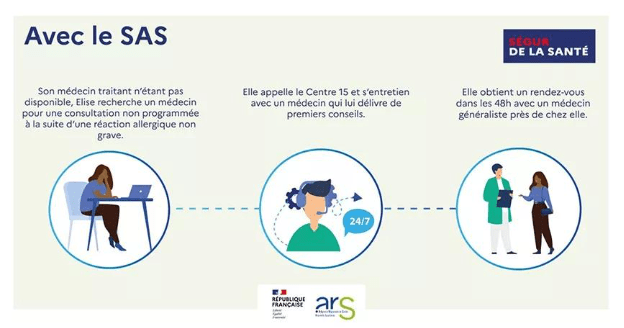
- Actions: Assisted teleconsultations, Unscheduled Care & On-Call Services, Advanced Practice Nurses (APNs)
- Lead member: to be defined
- Member of the working group:
- IDEL: Aude BORTOLIN, Carole CALZAVARA, Elodie HOCQUELET, Gwladys MENINI, Nathalie ORTOLAN, Mélanie PREVOT, Flavie THIRIAU, Isabelle VANDEWALLE
- Massage Therapist/Physiotherapist: Valérie PEROSA
- Speech therapist: Laure KERUZORE
- Doctor: Angélique KONINCKX
- Pharmacist: Dominique BIERVOIS, Corinne LAGNIAU
- DAC 47: Céline DE MARCHI
- Status: Working group complete, actions already underway
- Consult the dedicated action sheets:
Working group "Access to a primary care physician":
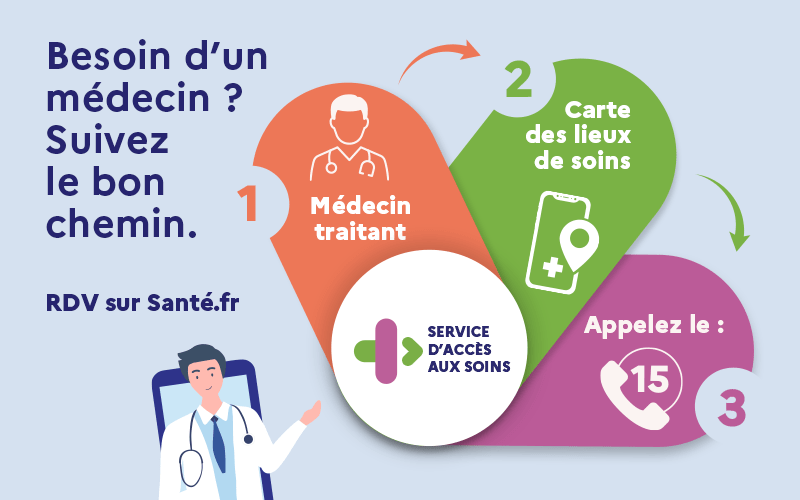
- Actions: Creation of a group of volunteer doctors, census of users without a primary care physician, including those with long-term illnesses, and sectorization
- Lead member: to be announced
- Member of the working group: to be announced
- Status: to come
- See the dedicated action sheet here
-> We are looking for volunteers (especially doctors)
"Gynecobus" working group:
- Actions: Logistical organization of consultation days in the territory
- Lead member: Carole CALZAVARA
- Member of the working group:
- Status: in progress
- See the dedicated action sheet here
"Medicobus" working group:
- Actions: Logistical organization of consultation days in the region, reception and pre-consultation (nurse), recruitment of volunteer doctors
- Lead member: Carole CALZAVARA
- Member of the working group:
- IDEL: Carole CALZAVARA
- Doctors: Dr. CHAUVINEAU, Dr. HAURE, Dr. KONINCKX,
- CPTS Grand Agenais
- Status: ongoing; first meeting of doctors on June 29, 2026
- See the dedicated action sheet here
-> We are looking for volunteer independent nurses
Mission 2 – Multi-professional pathways
"City-Hospital Link" Working Group:
- Actions: Define and draft coordination protocols between healthcare professionals and medical-social structures in the area
- Lead member: to be defined
- Member of the working group: to be defined
- Status: Coming soon – Q4 2026
- See the dedicated action sheet here
Working group "Care pathways for the elderly or in situations of frailty":
- Actions: define and write protocols for identification and coordination between professionals
- Lead member: to be defined
- Member of the working group: to be defined
- Status: Coming soon – Q4 2026
- See the dedicated action sheet here
Working group "Supportive Care":
- Actions: Define and implement actions to improve end-of-life care (palliative care)
- Lead member: to be defined
- Member of the working group: to be defined
- Status: Coming soon – Q4 2026
- See the dedicated action sheet here
-> If one of these working groups interests you, let us know so that we can include you when the time comes!
Mission 3 – Prevention
Working group on "organized screenings":
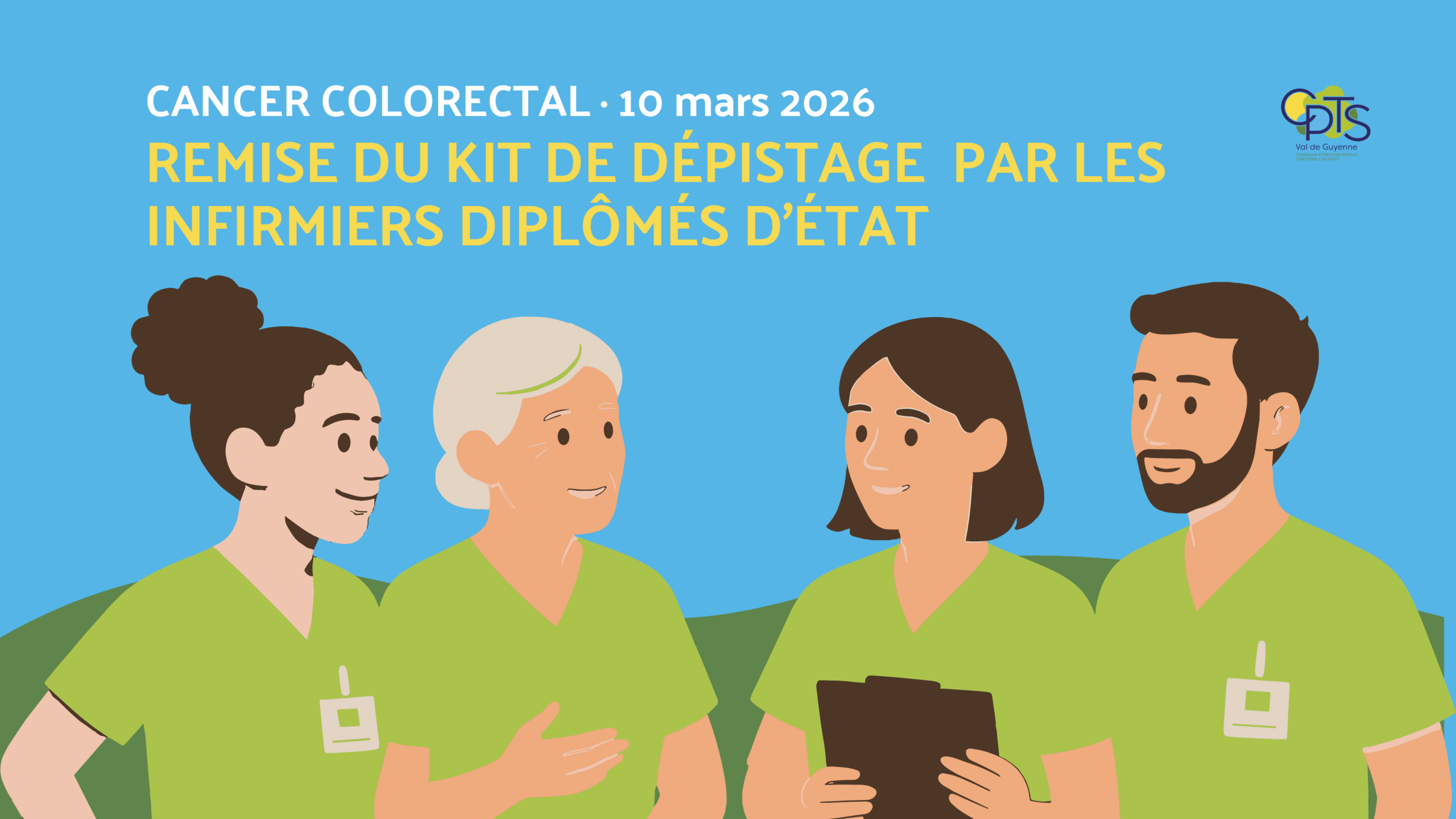
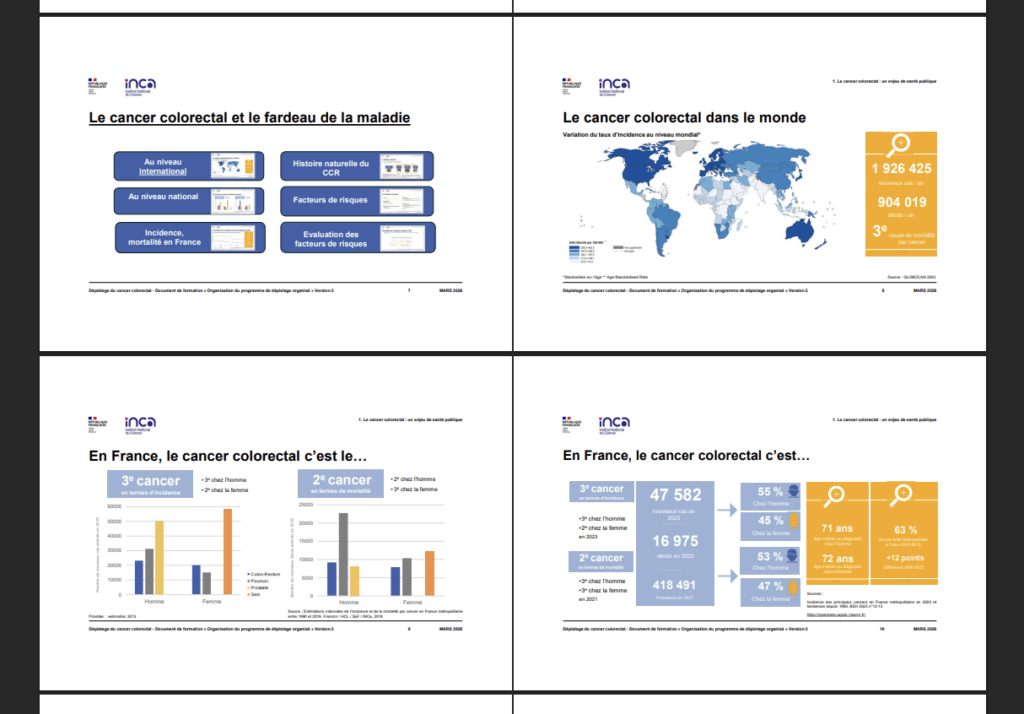
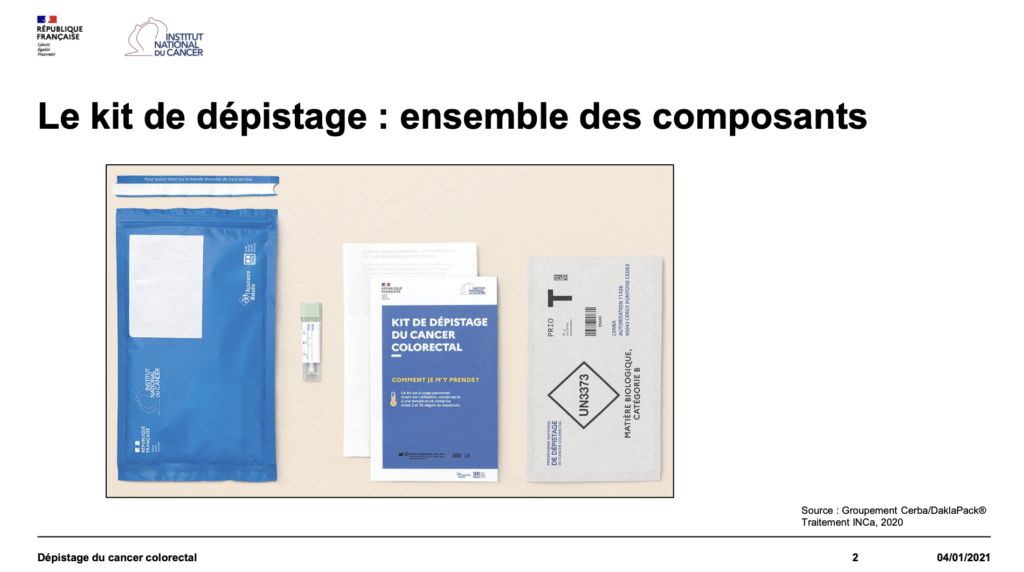
- Actions: Define and implement organized cancer prevention and screening programs
- Lead member: to be defined
- Member of the working group: to be defined
- Status: from late August/early September
- See the dedicated action sheet here
Working group “Vaccination & Barrier gestures”:
- Actions: Define and implement actions to prevent and improve vaccination coverage
- Lead member: to be defined
- Member of the working group: to be defined
- Status: from late September/early October
- See the dedicated action sheet here
Working group “Therapeutic Patient Education (TPE) Diabetes – Cardiovascular”:
- Actions: Define and deploy patient therapeutic education programs
- Lead member: to be defined
- Member of the working group: to be defined
- Status: from the end of 2026
- See the dedicated action sheet here
Working group "Nutrition & Malnutrition":
- Actions: define and deploy population prevention and education actions
- Lead member: to be defined
- Member of the working group: to be defined
- Status: from the end of 2026
- See the dedicated action sheet here
-> If one of these working groups interests you, let us know so that we can include you when the time comes!
Mission 4 – Health Crises
Working group “Identification of the HSE plan”:
- Actions: defining HSE actions and drafting protocols and training plans
- Lead member: to be defined
- Member of the working group:
- IDEL: Carole CALZAVARA
- Doctor: Angélique KONINCKX
- HSE Officer, CHIC: Philippe CALZAVARA
- Firefighter: Léa TATTO
- Status: in progress
- Action sheet currently being drafted
Mission 6 – Support for healthcare professionals
Working group "Welcoming healthcare professionals":
- Actions: defining the reception protocol between EPCI and CPTS, drafting a partnership agreement, an inter-professional directory and a welcome booklet
- Lead member: to be defined
- Member of the working group:
- IDEL: Carole CALZAVARA,
- Massage Therapist/Physiotherapist: Valérie PEROSA
- Speech therapist: Laure KERUZORE
- Doctor: Angélique KONINCKX
- Pharmacist: Dominique BIERVOIS
- Partners: ARS NA, Bienvenue Docteur, ComCom Duras, CCPL, Seyches Town Hall
- Status: in progress
- Action sheet currently being validated